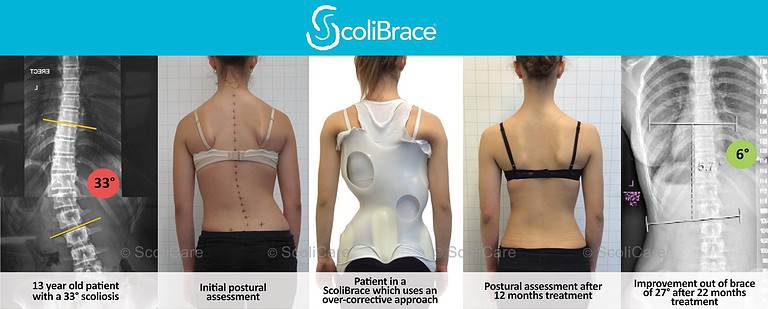
Finally — A Brace That Actually Moves Your Curve in the Right Direction.
ScoliBrace is a 100% custom 3D brace engineered to push your spine toward correction — not just hold it in place and hope for the best. Built from a BraceScan of your exact body. Available in Lafayette, Louisiana for children and adults.
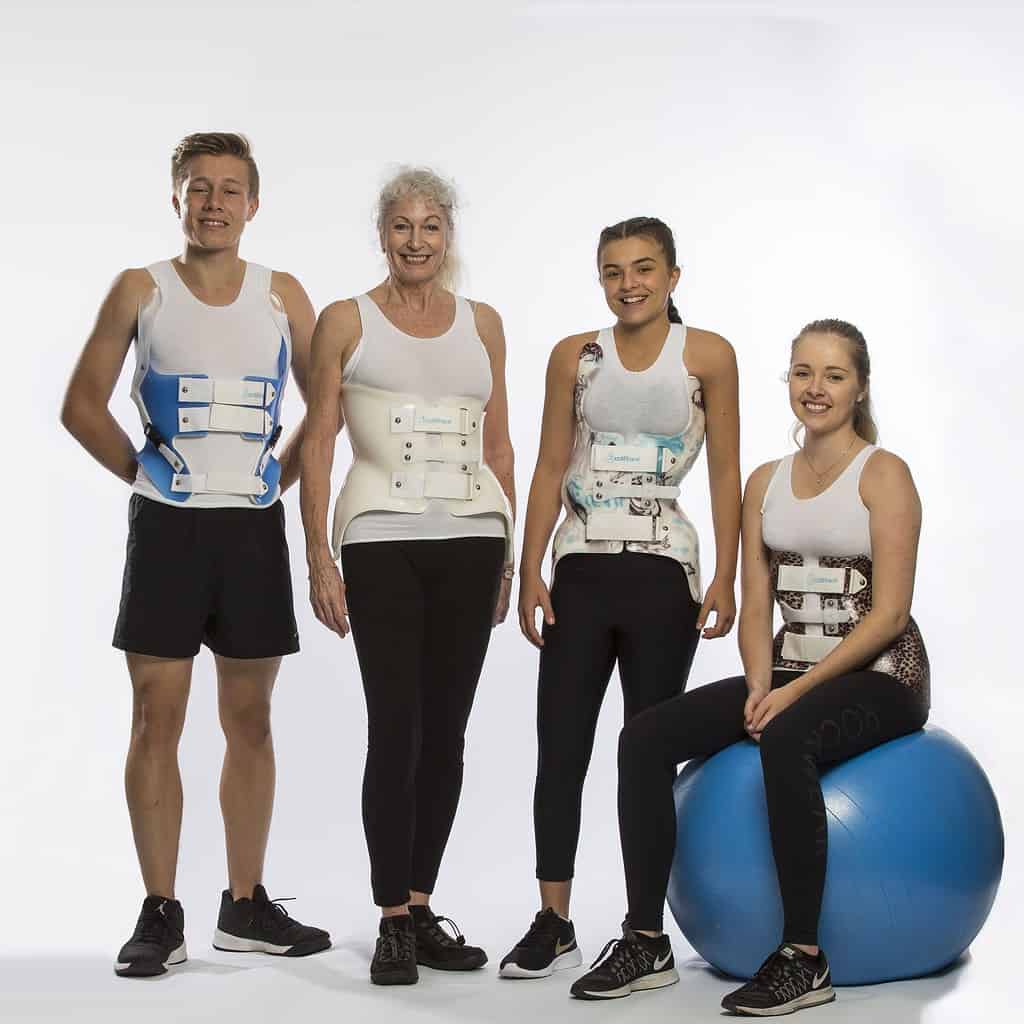
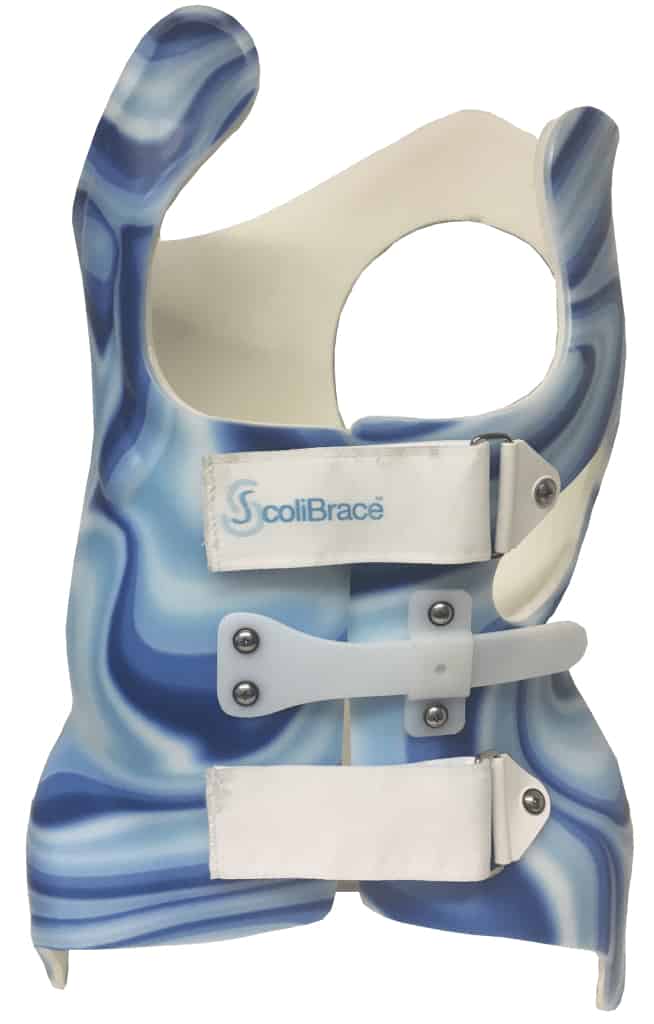
ScoliBrace : A 100% Custom Brace That Actively Corrects — Not Just Holds — Your Curve
Designed using 3D scanning technology so it fits like it was made for your body — because it literally was.
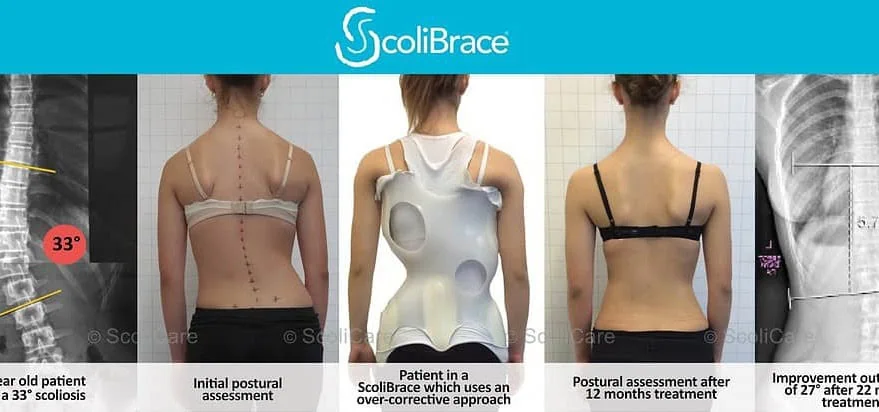
ScoliBrace is a 3D custom-designed brace that utilizes an over-corrective approach and spinal coupling to achieve superior results in the non-surgical treatment of scoliosis and hyperkyphosis. It is manufactured with cutting-edge CAM technology, ensuring accuracy and consistency of quality throughout the manufacturing process. Patient-friendly in design and available in unique colors and patterns, ScoliBrace has shown superior clinical results in reducing curves, improving posture and body symmetry, reducing pain, and enhancing appearance. Its approach combines the best technology, evidence-based techniques, and experienced clinicians to achieve the best possible outcomes for scoliosis patients. It’s also barely noticeable under your clothes.
Scoliosis Doesn’t Stop at 18 — Adult & Elderly Bracing for Pain Relief and Stability
The goals of braces in adults are a bit different than in children.
ScoliBrace for Adult & Elderly Scoliosis & Hyperkyphosis
Doctors are no longer trying to prevent the worsening degrees of the S shaped curvature. They are no longer trying to just “get you through” the final growing stages of puberty and you have a more stable spine curve. Braces can give you more balance and less fall risk.

The braces are designed to take the stress of the muscles and ligaments and give your body a little break and get some pain relief. The brace should be used along with scoliosis specific exercise to try and strengthen the spinal muscles to help maintain a corrected posture, which again helps with pain.

Exercises are recommended as part of any therapy plan because they help strengthen muscles in the torso which can ease some discomfort associated with scoliosis. Using ScoliBalance we can help improve the curve too.
Pain Relief
Scoliosis can cause chronic pain in the back, shoulders, and hips. A brace can help to relieve this pain by reducing the pressure on the spine and supporting the muscles and ligaments. Many adults did not know or did not receive proper treatment for scoliosis as a kid. The curve progresses about 1-2 degrees per year. After 30 years the curves can get quite severe and painful if left untreated. Wearing a brace gives you immediate support and the exercises build your spinal strength. Adults only wear it for 3-6 hours so it’s convenient too.
Improving quality of life:
Scoliosis can have a significant impact on an individual’s quality of life, affecting their physical abilities, self-esteem, and emotional well-being. Treatment and a brace can help to improve overall quality of life by reducing pain, improving posture, and preventing further complications. Adults and elderly see a boost in self-esteem and confidence when they are upright and not leaned over.
Preventing Progression
Scoliosis can worsen over time in adults, leading to more severe spinal curvature and potentially causing other health problems. A brace can help to prevent further progression of the condition and maintain the current level of curvature. We see many adults get over 6° correction, which is all a life changing surgery considers a success. In addition to preventing/slowing further progression of the condition, wearing a brace can also help to improve cosmetic appearance of the spine and less rib humping, which can be particularly important for individuals who are self-conscious about their scoliosis and how it affects their physical appearance.

Restore Balance – Prevent Falls
As people age, their balance and stability can naturally decline, making them more susceptible to falls and injuries. However, older adults with scoliosis may be at an even greater risk of falling due to the imbalance and uneven posture caused by the condition. If an older adult is hunched over or leaning to the side, this can also affect their center of gravity, making them more likely to lose their balance and fall. Falling can be especially dangerous for older adults, as they are more likely to experience fractures or other serious injuries, such as a hip fracture, which can lead to significant disability and a decrease in quality of life. Wearing a brace can provide support, stability, and restore balance to decrease their risk of falling and injuring themselves
(337) 453-5199 or book online:www.drjustintrosclair.com/bookonline
BRACESCAN Technology
The Problem With Standard Braces
Traditional braces are built from average body measurements. Your spine isn’t average. No two scoliosis curves are identical — which means a brace built for the “average” patient is already wrong before it arrives.
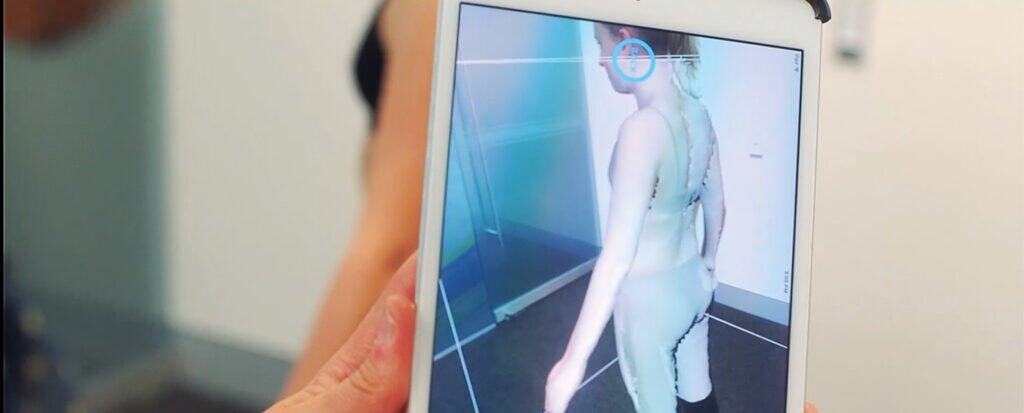
What Is BraceScan?
BraceScan is the 3D scanning system used to capture the exact shape of your body before your brace is designed. It uses the Structure Sensor — a precision infrared scanner — to create a complete digital model of your torso in seconds. No plaster casts. No uncomfortable molds. Just a fast, contactless scan that captures every measurement a brace maker needs.
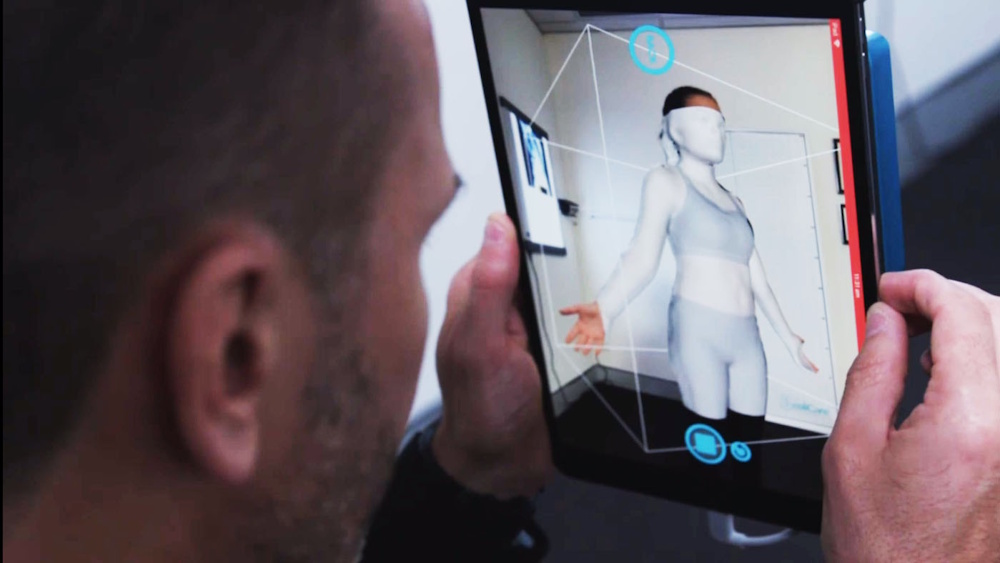
How the Scan Works
You stand naturally while the Structure Sensor maps your torso in three dimensions — your curve, your asymmetry, your posture compensations, all of it. The scan takes less than a minute and is completely painless. That digital model is then sent directly to the brace lab where your ScoliBrace or CMP Brace is manufactured to match it exactly.

From Scan to Brace
The digital file goes through CAD/CAM software where the brace design is engineered around your specific curve pattern — not just its size, but its rotation, its direction, and how your body has compensated around it. The result is a brace that pushes your spine in precisely the right direction for your unique curve.
Why This Matters for Your Results
The research is clear: the straighter a brace makes the spine during wear, the better the long-term outcome. A generic brace that fits loosely or applies pressure in the wrong direction can’t achieve meaningful in-brace correction. A BraceScan-designed brace can — because it was built around your actual body, not an approximation of it.
Available for Both ScoliBrace and CMP
Dr. Trosclair uses BraceScan technology for both ScoliBrace and CMP Brace patients. Whether you choose the gold-standard customization of ScoliBrace or the clinically proven accessibility of CMP, your brace starts with the same precision scan — so the fit is never a compromise.
Listen to Dr. Trosclair go in-depth on Scoliosis Management on this podcast episode.
Get a lot of questions answered from Dr. Trosclair on this podcast epsiode.
Book an Appointment
It’s never been so easy and convenient to get treated. Schedule online below
Step 1 – Schedule an Appointment
Click on the Box Below to schedule an appointment. Pick the day and time that works for you — we even have evenings and weekends
Step 2 – Get an Exam & Treatment
Show up at your day/time and get an exam and an amazing treatment.
No surprises. We’ll explain everything before we start.
Step 3 – Be Pain Free & Doing Activities
Start getting pain relief and back to the lifestyle you deserve and missed.
Most patients feel real improvement within their first few visits.
Call us at (337) 453-5199 or book online:www.drjustintrosclair.com/bookonline
Not All Braces Are Created Equal — How Is ScoliBrace Different from a Boston Brace?
Here’s What Most Clinics Won’t Tell You
The Old Way: Boston Brace and Boston 3D
The Boston Brace has been around for decades. Even the newer Boston 3D version follows the same basic idea — squeeze the spine from the outside and hope the curve doesn’t get worse before your child stops growing.
It is not designed to correct the curve. It is designed to hold it in place.
Think of it like parking a car on a hill with no parking brake — you’re just hoping it doesn’t roll. The goal is survival, not improvement. Many children spend years in a Boston Brace only to finish growing with the same curve they started with — or worse.
- Off-the-shelf sizing — not built around your child’s actual body
- 3-point pressure system — pushes from three fixed points regardless of curve pattern
- No overcorrection — designed to stabilize, not reduce
- No derotation component — treats the curve as flat when it is actually three-dimensional
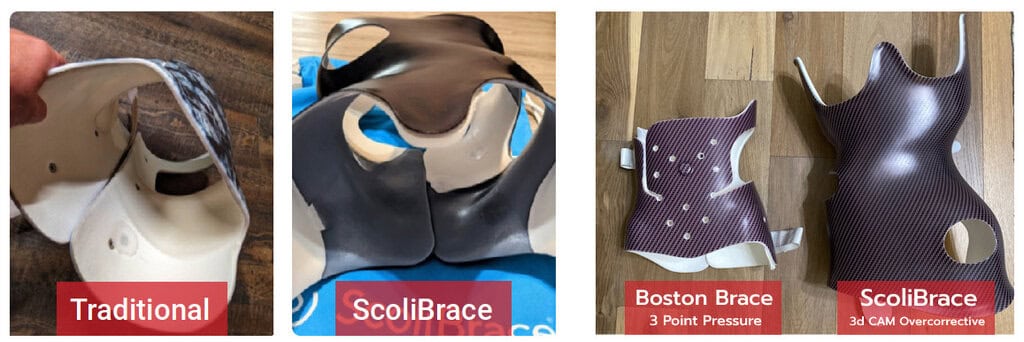
The Middle Ground: RIGO Brace
The RIGO Brace is a step forward from Boston. It acknowledges that scoliosis is a 3D problem and tries to address rotation — which Boston largely ignores. It is a better brace than Boston. But it still has two significant design limitations that matter for your child’s results.
First — it lacks hip anchors on both sides. Without dual hip anchors, the pelvis is not fully controlled during wear. That means the foundation the brace is trying to correct from is not fully stable. Correcting a spine without anchoring the pelvis is like trying to straighten a fence post without securing the ground around it.
Second — the RIGO places its chest paddle on the left side only. The reason given is to stop the child from pushing their shoulder out of the brace and getting no correction. But this misses something critical about how thoracic scoliosis actually works.
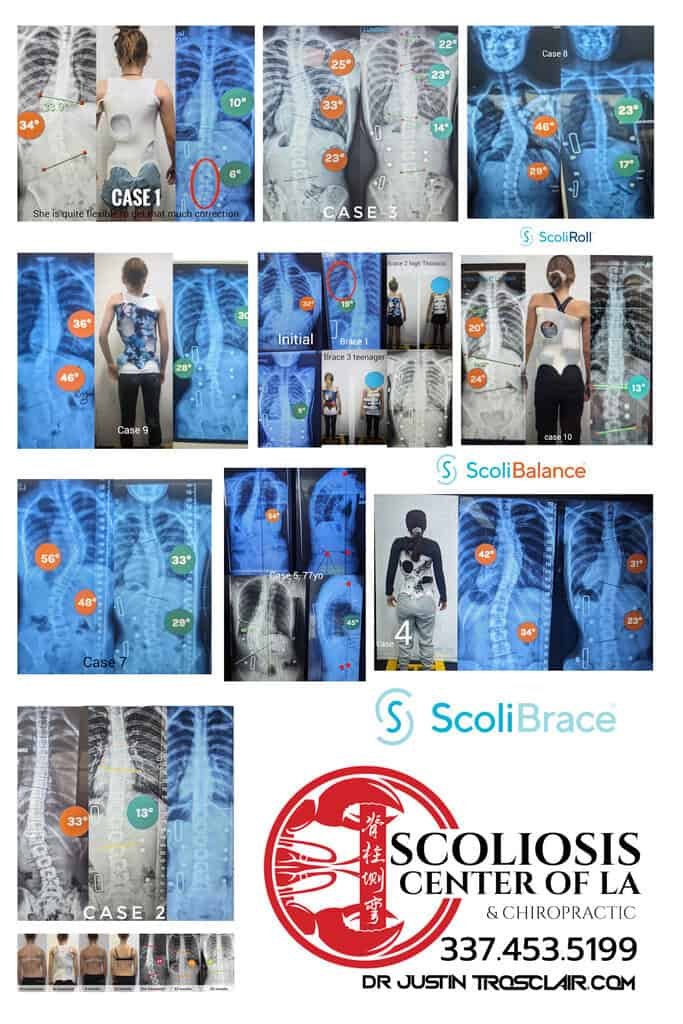
The ScoliBrace Difference: Built Around How the Spine Actually Moves
ScoliBrace was designed with one question in mind — what does this specific spine actually need to move toward correction?
For thoracic scoliosis, the answer involves derotation. The spine doesn’t just curve sideways — it rotates. Correcting it means addressing that rotation directly. ScoliBrace places the chest paddle on the right side because the research on thoracic curve derotation — including the breathing techniques used in Schroth therapy — shows that is where the corrective force needs to come from to achieve real 3D improvement.
This isn’t a minor technical detail. It is the difference between a brace that pushes the spine toward correction and one that just holds it still.
- 100% custom — built from a 3D BraceScan of your child’s exact body
- Dual hip anchors — pelvis is fully controlled so the correction has a stable foundation
- Right-side chest paddle — positioned based on actual thoracic derotation mechanics
- Overcorrective design — engineered to push the curve past neutral, not just hold it
- Spinal coupling — works with the natural linked movement of the spine in all three dimensions
- Front-opening — your child can put it on independently, improving compliance
- Lightweight and available in colors and patterns kids actually want to wear
“The goal was never just to stop the curve from getting worse. The goal was always to move it in the right direction — while your child still has the growth window to make that possible. That is what ScoliBrace was built to do.”
— Dr. Justin Trosclair, D.C.
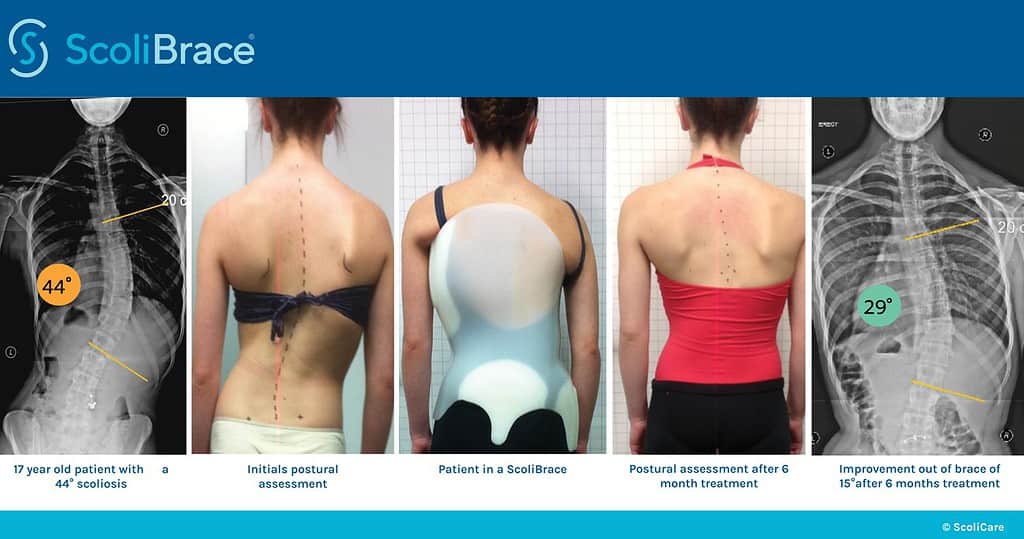
Skip to the Facts and Research of Scoliosis and Hyperkyphosis- Click Here
Results: curve correction: 76.9%, curve stabilization: 23.1%, curve progression 0%
In-Brace Correction is normally 48% but we could see 63%.*
Out-of-Brace curves achieved 37.60% improvement if their curves are 20°-40°.
References: 1. Optimising Full-time Brace Treatment of Idiopathic Scoliosis (IS) using In-Brace Correction (IBC) as a predictor of brace efficacy. A J Mills , S V Hewitt, A A Cole. British Scoliosis Society November 2022. 2. Can Modern Bracing Achieve True Cobb angle Correction in Idiopathic Scoliosis (IS)? A J Mills , S V Hewitt, A A Cole. British Scoliosis Society November 2022. 3.*can not guarantee these results
Not Ready to Book? The Answer to Your Next Question Is Probably in Here.


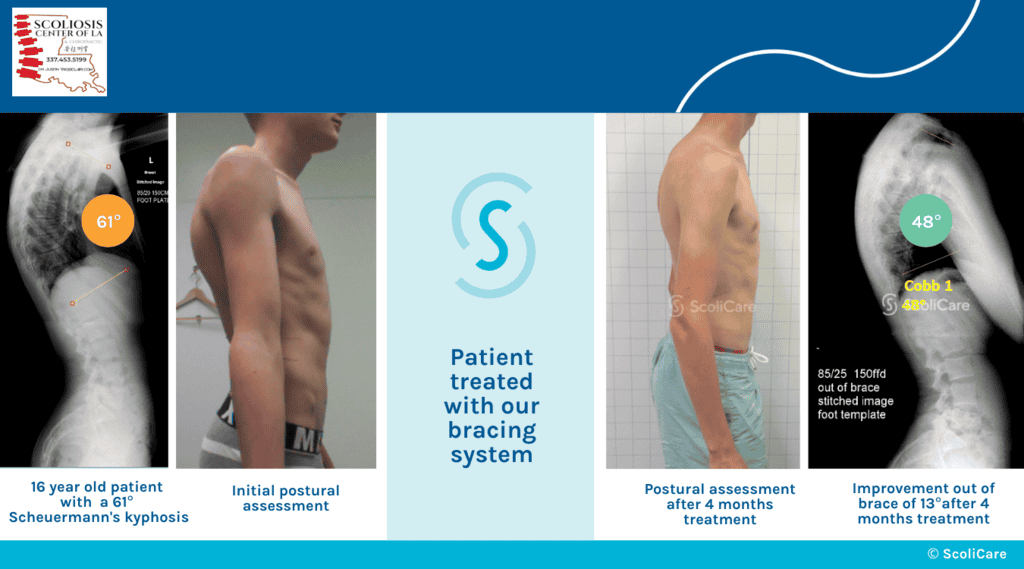
KyphoBrace — Built Specifically for Forward Curves
Most braces are designed for scoliosis — the sideways curve. KyphoBrace was engineered specifically for the forward curve of hyperkyphosis. That distinction matters because the correction mechanics are completely different.
Using the same 3D CAD/CAM scanning technology as ScoliBrace, KyphoBrace is custom-built to your exact spinal measurements. It gently pushes the upper spine backward toward a neutral position — not with rigid pressure, but with a design that works with your natural movement throughout the day.
What makes KyphoBrace different:
- Custom 3D scanned to your exact forward curve — not a generic pharmacy brace
- Front-opening design with movable shoulder paddles for comfort and adjustability
- Engineered specifically for forward curve correction, not adapted from a scoliosis design
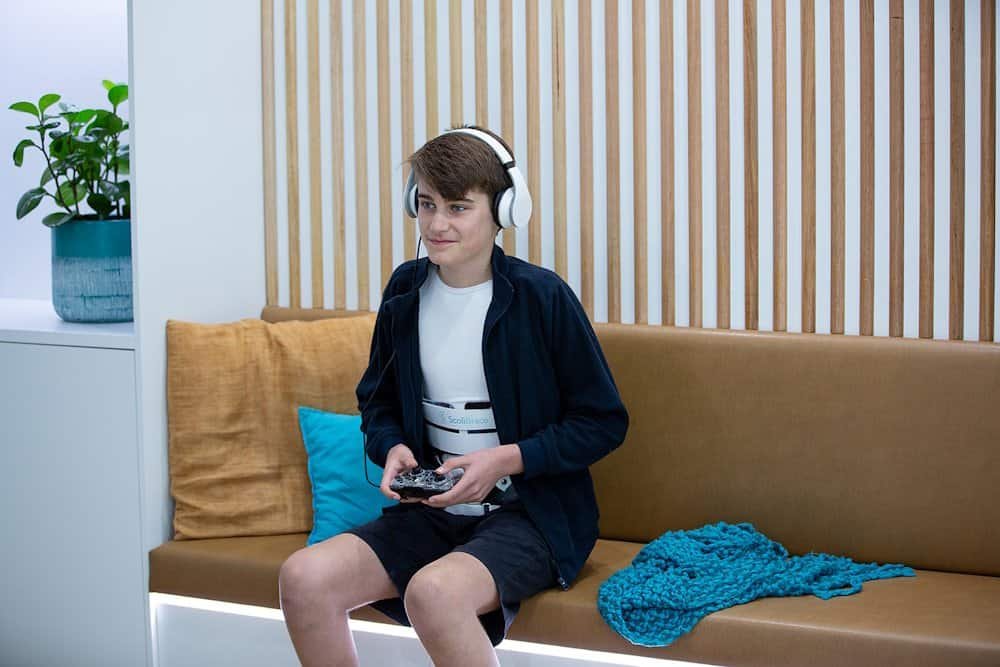
- Lightweight and discreet enough to wear under normal clothing
- Available in various styles and patterns
- Works best when combined with ScoliBalance extension exercises and German Taping for maximum postural improvement
When the curve is structural — meaning it lives in the bones, not just the muscles — you need a tool that works at that structural level. KyphoBrace does exactly that.
Call us at (337) 453-5199 or book online:www.drjustintrosclair.com/bookonline
ScoliRoll – Effective Scoliosis Treatment Aid for Improved Flexibility and Stabilization
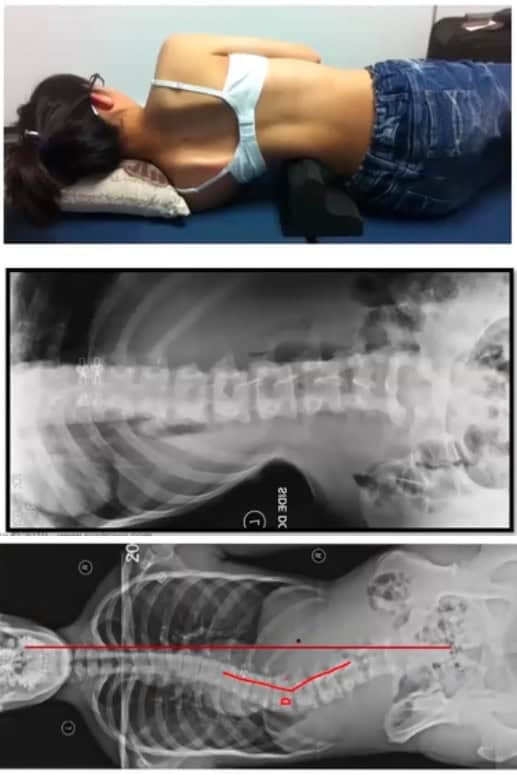
ScoliRoll — 20 Minutes a Day That Work While You Rest
ScoliRoll is a foam traction device that uses a patented peak to gently de-rotate your curve and stretch the muscles and ligaments that have locked into a crooked position. It works alongside your ScoliBrace wear and ScoliBalance exercises — so the correction you achieve in the brace doesn’t disappear the moment you take it off.
→ See the full ScoliRoll breakdown on our ScoliBalance page.
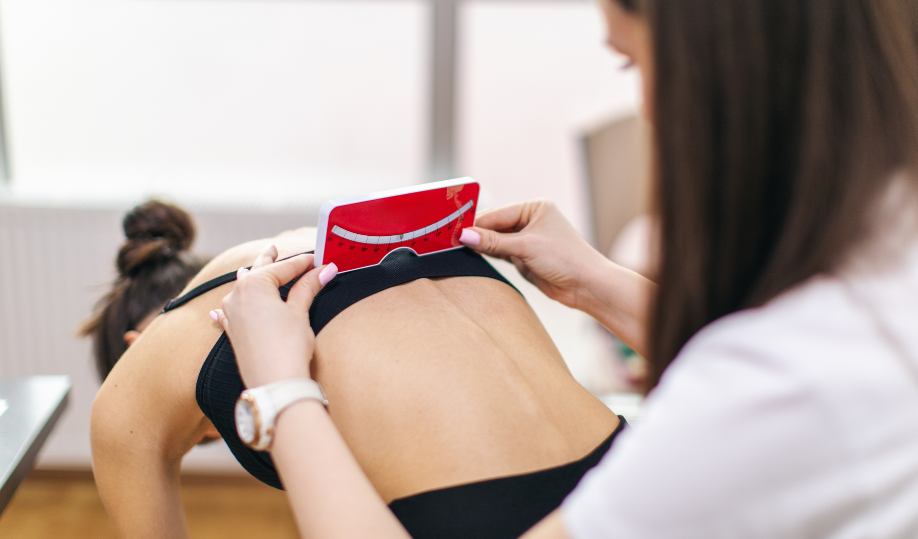
Quick Video Showing How the CAM/CAD Technology Creates the Brace Corrections From X-rays
Two Additional Tools for Curve Correction and Daily Pain Relief
CMP Brace
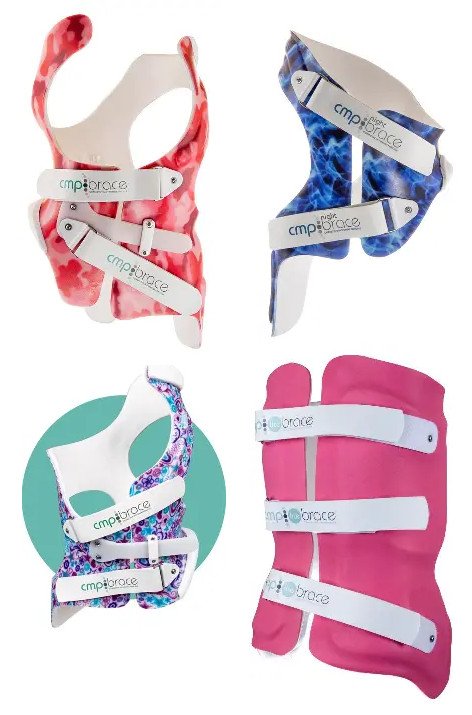
CMP Brace vs. ScoliBrace:
Choosing Your Path to Correction
You deserve a solution that fits your curve, your lifestyle, and your budget.
While ScoliBrace remains our premier gold-standard for total customization, we are proud to offer the CMP Brace as a clinically-proven, accessible alternative.
The CMP Brace (Accessible Correction): Uses 3D CAD/CAM technology and 31 specific curve classifications to treat your spine in all three dimensions—not just squeezing from the sides. It is a reliable, budget-friendly partner proven in 25 independent trials to reduce curves and help avoid surgery.
The ScoliBrace (Ultimate Customization): Our highest level of corrective potential. Using ultra-advanced BraceScan technology, it harnesses “spinal coupling” for superior 3D correction. It’s front-opening, allows for natural movement, and is personalized to your exact body shape.
Which is right for you? Whether you want the reliable clinical partner (CMP) or the ultimate custom advantage (ScoliBrace), we’ll guide you to the right choice.
Scoliosis Activity Suit
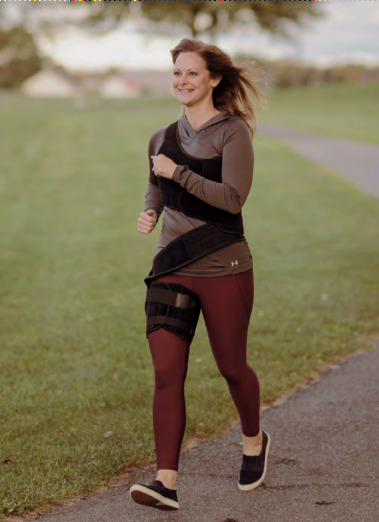
The Scoliosis Activity Suit — When a Brace Doesn’t Fit Your Life
Not everyone can commit to rigid brace wear — and for those patients, the Activity Suit is the next best tool. You wear it 1–5 hours a day during your normal routine. It retrains your muscles through movement rather than holding your spine in a fixed position. Under $1,000 and ideal for patients who live too far away for regular clinic visits. It’s main benefit is Pain Relief.
Fees & Services
New Patient Visit
$175 / first visit
- Consultation
- Orthopedic & Neurologic Exam
- Treatment – Adjustments
- Cold Laser/ Kineisology
- Taping/ Stretches
- Percussion Massage/ Exercises
- Each Visit is 40-50 minutes
- PSSE Exercises / Stretches
Follow Up Visits
$139 per follow-up
- Chiropractic Adjustment
- ScoliBalance
- Corrective Posture
- ScoliRoll Home Traction*
- Muscle Work*
- Cold Laser*
- Scoliosis Specific Taping*
- PSSE Exercises / Stretches*
- * if needed
- Each Visit is 25-45 minutes
Adjustment Only Package
$945 for 8 visits
- 15% Savings = $118/visit
- Avg $118 per visit not $139
- Same Treatment Options as Follow-Ups
- Expires in 4 Months
- 15% Off Physical Products*
- 15% Off Classes
- Free Copy of Dr. Justin’s Book
- Each Visit is 25-45 minutes
- *excludes ScoliBrace
Good Faith Estimate information can be found here. If you are looking for pricing on the following services, just click the name: shockwave, scoliosis, or decompression.
Call us at (337) 453-5199 or book online:www.drjustintrosclair.com/bookonline
Testimonials
What Our Patients Say
Will Your Curve Get Worse? Find Out in 2 Minutes.”
A free Progression Risk Calculator can tell you — based on your child’s age, curve size, and growth stage — how likely the curve is to worsen without treatment. It takes less than two minutes and gives you a real number to work with instead of a guess.
Use the calculator, then call us. We will tell you exactly what that number means and what your options are here in Lafayette. curve progression risk calculator.
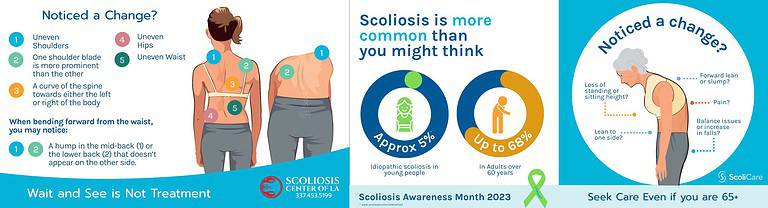
Articles about Scoliosis
- Scoliosis Awareness Month – Understanding the Significance – for patients
- Getting Ahead of the Curve: The Importance of Early Scoliosis Detection – for patients
- Scoliosis: A Year-Round Commitment – for patients
- A Parents Guide To Spotting It Early and Taking The Right Next Step – for patients
- Scoliosis Often Hides In Plain Sight, What Families Should Watch For – for patients
- Treating Scoliosis: Effective Interventions and Best Practices – for doctors
- Looking Beyond the Curve: Embracing Comprehensive Care – for doctors
- Understanding Scoliosis: Identifying Symptoms and Promoting Early Diagnosis – for doctors
- Why Your Next Routine Patient Visit Could Be The Most Important Scoliosis Appointment – for doctors

Get The Personalized Care You Deserve
Call or Schedule Online Below
What the ‘Wait and See’ Approach Isn’t Telling You. The Parent’s Guide to Avoiding Scoliosis Surgery
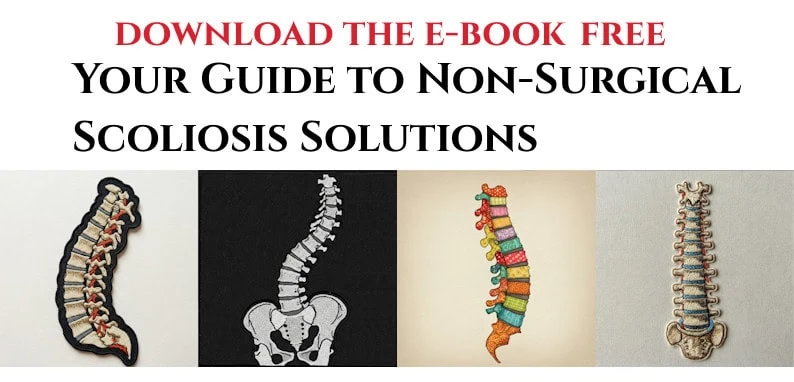
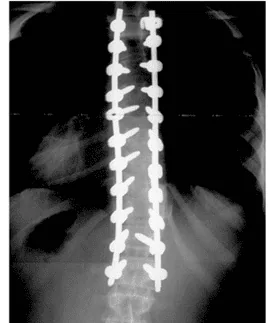
Alternative to Bracing
“Not Sure a Brace Is Right for You?”
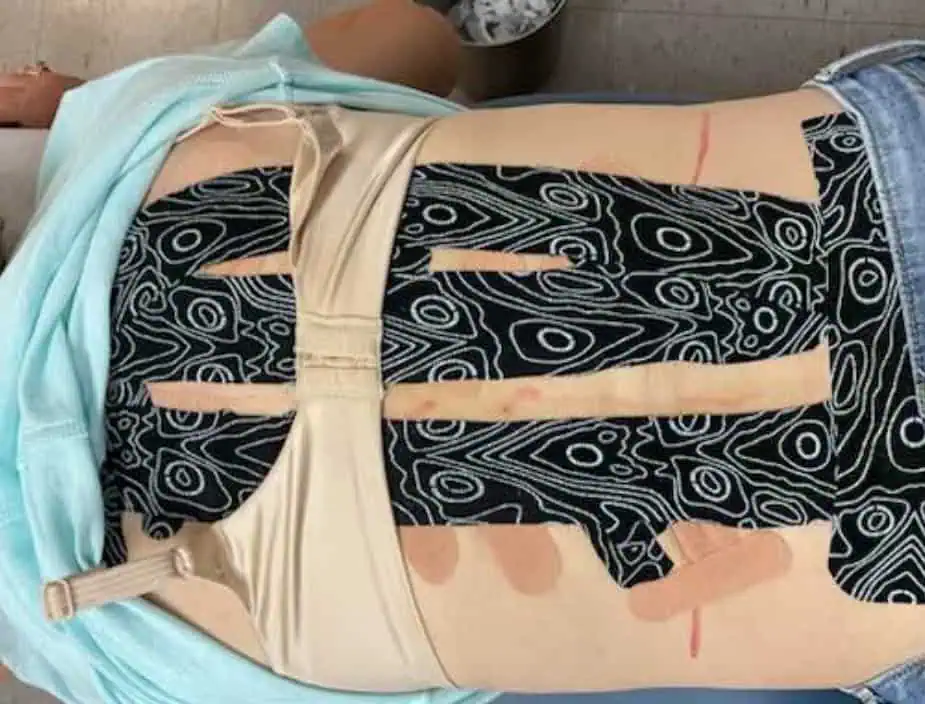
Scoliosis Taping Technique developed in Germany.
“Not Sure a Brace Is Right for You?”
ScoliBrace isn’t the only tool we offer. For adults who can’t wear a rigid brace at work, or kids who are struggling with compliance, we have brace-free options that still produce real postural improvements — including the German Taping Technique Dr. Justin mastered during two years of training in Germany, and the Scoliosis Activity Suit for active correction throughout your normal day.
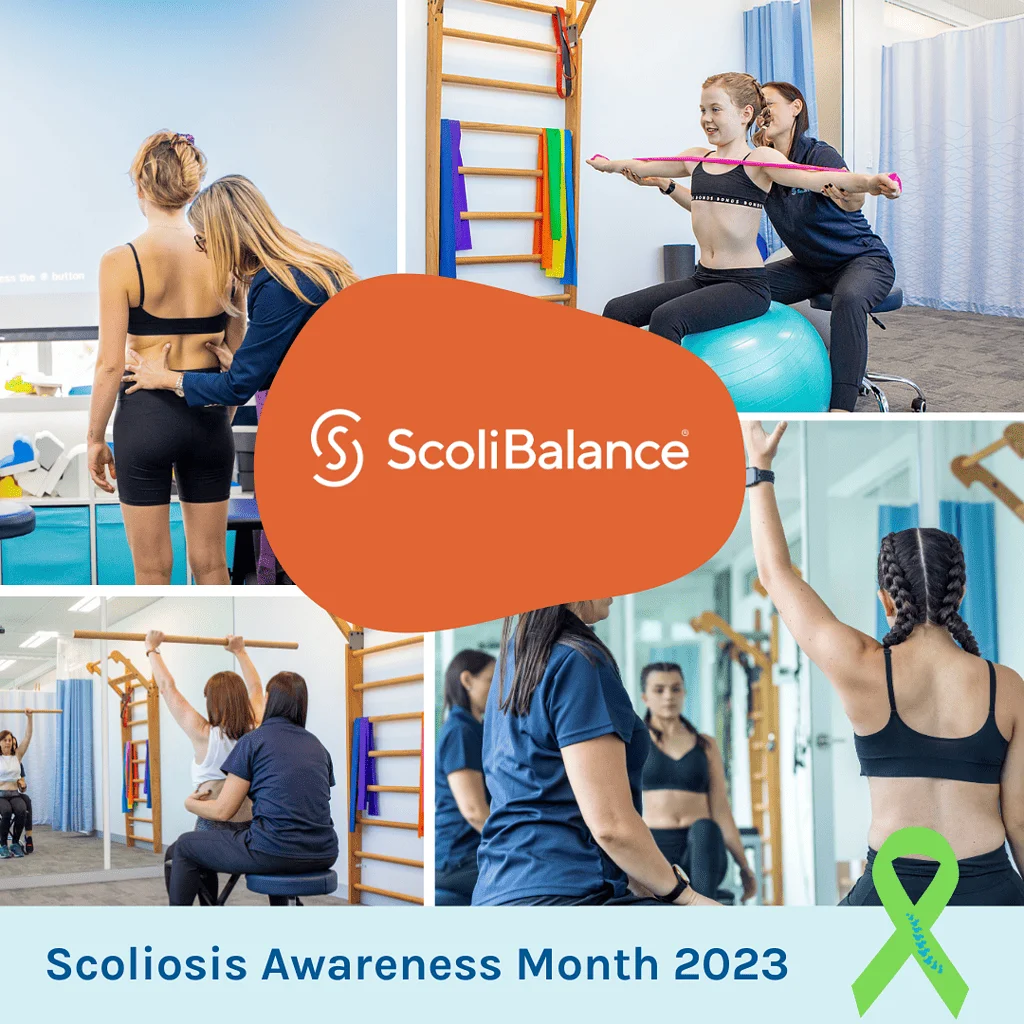
ScoliBalance: Combining the 5 Best Scoliosis Therapies using SOSORT guidelines
Meet Dr. Justin Trosclair
Why Families Trust Dr. Justin With Their Most Important Decision
Dr. Justin Trosclair didn’t learn scoliosis care from a weekend seminar. He built it over two decades — across three countries — and brought every piece of it back to Lafayette, Louisiana.
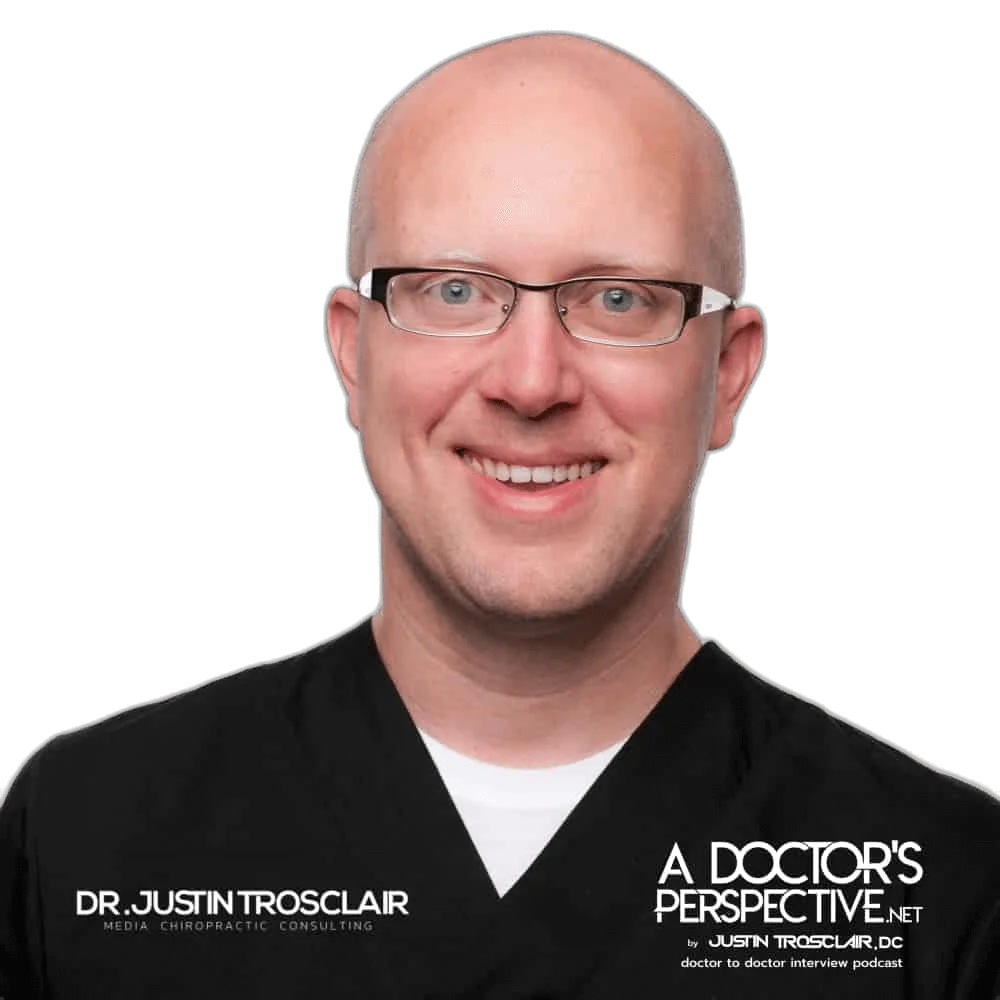
After graduating from Texas Chiropractic College in 2007, Dr. Justin spent five years working inside a hospital-based clinic in Yunnan, China — treating complex cases alongside Traditional Chinese Medicine practitioners in a setting most U.S. chiropractors never experience. He then spent two full years in a private clinic in Germany, where he mastered a specialized scoliosis taping technique that remains rare in the United States to this day.
More than 10,000 patients later, he is the only provider in a multi-state region holding ScoliCare certification in both 3D overcorrective bracing and scoliosis-specific corrective exercises.
But credentials only tell part of the story.
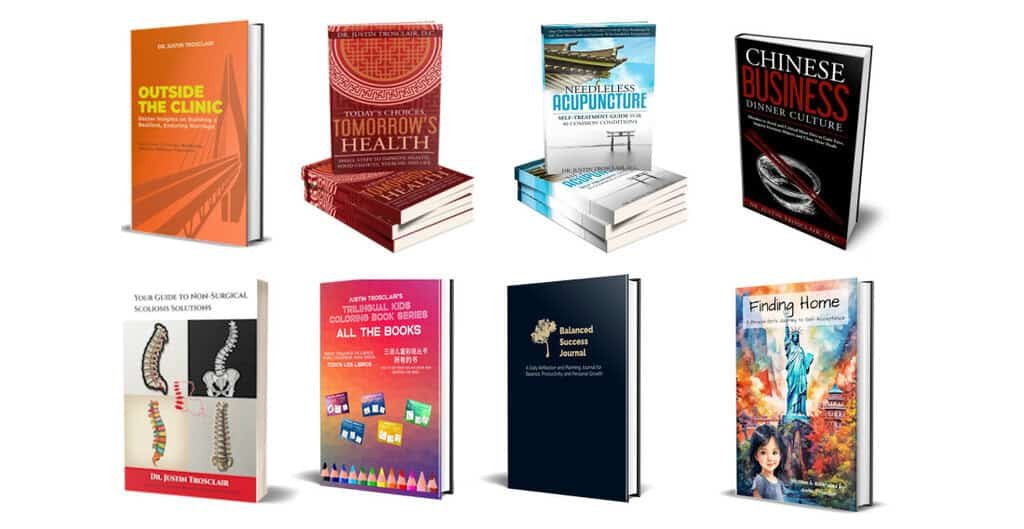
Dr. Justin has been invited to lecture at clinics and conferences across Asia — including Shanghai and Tianjin — sharing what he learned with other practitioners. He is the founder and host of A Doctor’s Perspective, a podcast with 270+ episodes interviewing leading experts in health and recovery. He has authored multiple books covering scoliosis management, self-care, and personal growth — including his 60-page Non-Surgical Scoliosis Solutions guide, which has become a trusted starting point for families navigating a new diagnosis.
When you sit down with Dr. Justin, you are not getting a rushed appointment or a generic plan. You are getting one-on-one care from someone who has treated scoliosis on three continents and built an entire practice around the one question that matters most to you:
How do we avoid surgery and actually improve this curve?
Published Books and Interviews
Call Now To See How We Can Help
Ready to Start? Most Patients See Measurable Changes Within the First 3–6 Months
We treat the problem areas that are too tight so they relax. We wake up the overly stretched area to regain it’s normal elasticity. In adults we then use the kinesiology tape in very unique patterns to functionally support these new correct changes. Typically providing great pain relief and a feeling of support. Call today to talk to Dr. Trosclair, especially if you are in the LA, MS, OK, AK, TN, KS, KY or Houston area about how we can work together to fight scoliosis, contact our office today at (337) 453-5199.